K-pop Generations Explained: What Fans Mean and Why Nobody Agrees
What fans and media mean by first, second, third, fourth and fifth generation K-pop, and why there is no official definition or fixed cutoff.
Fans sort K-pop history into generations all the time, from “second-gen nostalgia” to “fourth-gen leaders”. It is handy shorthand, but it is not an official system, and its borders are argued over constantly.
What does generation mean in K-pop?
A generation is a loose way of grouping idol acts that debuted around the same period and grew up in the same industry conditions: how music was sold, how fans and artists communicated, and what was popular at the time.
Fans shorten it to “gen”, as in “third gen” or “4th gen”. The key thing to know is that this is fan and media convention. No organization defines the generations, and no official list assigns groups to them.
The rough picture most people share
Even without rules, a general outline comes up again and again. Treat it as a sketch, not a timeline with fixed dates.
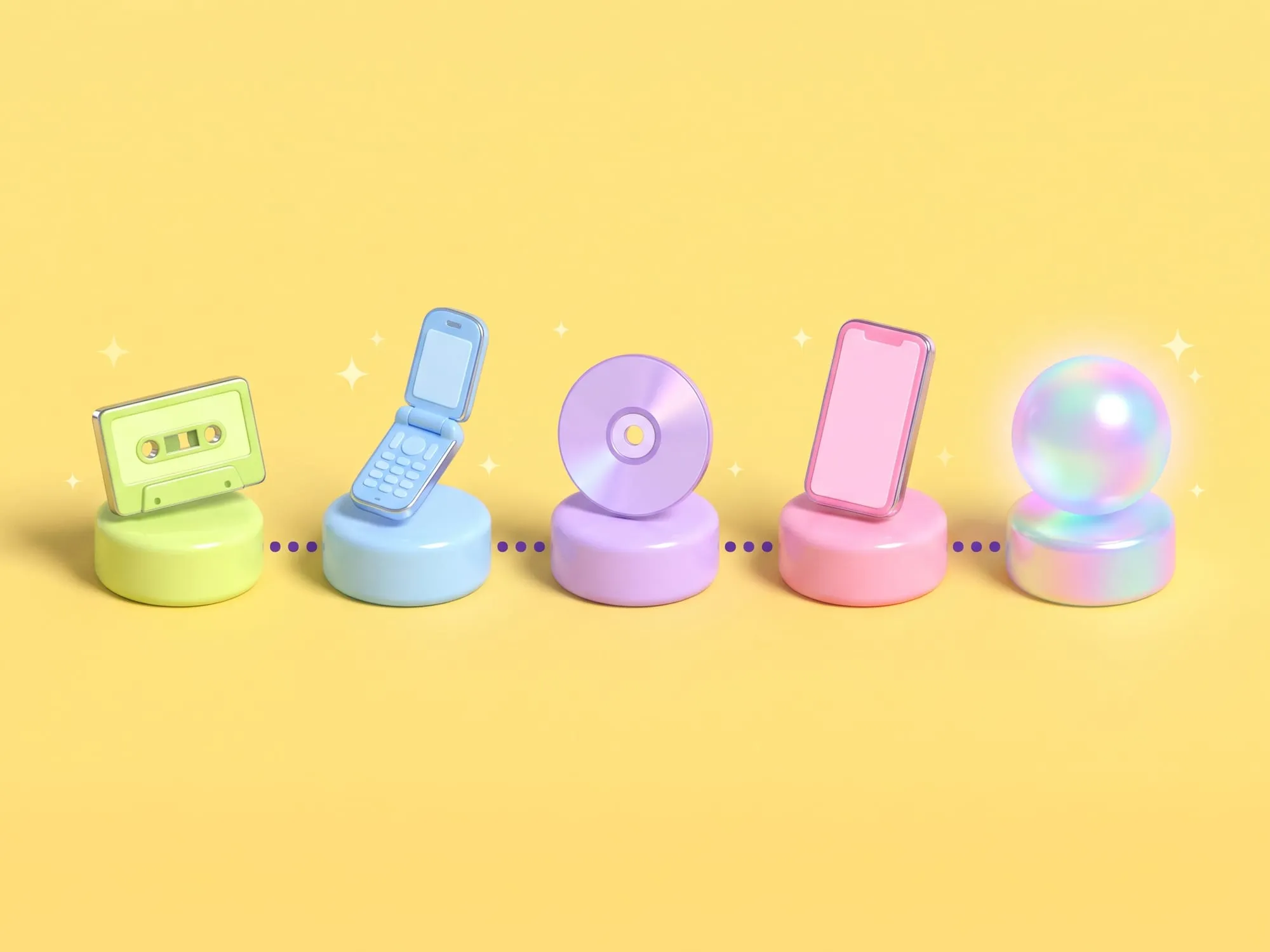
- First generation. The earliest idol groups of the modern system, usually placed in the late 1990s, when organized fan clubs took shape.
- Second generation. Usually linked to the mid- and late 2000s, when K-pop spread widely across Asia and digital music took over.
- Third generation. Usually linked to the early and mid-2010s, when social media and video platforms helped fandoms grow around the world.
- Fourth generation. Usually linked to groups that debuted around the turn of the 2020s, with global audiences in mind from the start.
- Fifth generation. The newest label, used for recent debuts. Whether it has clearly begun, and with whom, is still an open question.
The periods overlap, and plenty of fans and writers draw every one of these lines somewhere else.
Why are the boundaries debated?
Several things make a clean answer impossible:
- There is no official definition. Any cutoff is someone’s opinion, however widely shared.
- People use different criteria. Some go by debut year. Others look at sound, technology or how international the audience was.
- Some groups sit in between. Acts that debuted during a transition get placed on either side. Fan-made labels such as “2.5 gen” or “3.5 gen” exist for exactly this reason.
- Careers are long. A group can stay active through several “generations”. The label points to when it debuted, not to how relevant it is today.
- Marketing plays a part. Headlines and promotional phrases about a new generation can push a label into use before fans agree on it.
What are generations useful for?
Used loosely, the labels are genuinely helpful:
- Context. They hint at what the industry looked like when a group started.
- Discovery. If you love the sound of one era, the label helps you find more of it.
- Conversation. They give fans a shared vocabulary.
What they are not is a ranking. A newer generation is not better, and an older one is not more “real”.
How to talk about generations
- Say “usually considered” instead of stating a group’s generation as fact.
- If you need precision, mention the debut year instead of the generation.
- Leave generations out of fan wars. They describe timing, not quality.
Quick recap
K-pop generations are an informal way to divide the genre’s history, created by fans and media and never officially defined. Use the labels as a guide, and expect disagreement about where the borders fall.